Shake Shack's new Reese’s Peanut Butter Cup Shake launches nationwide, boasting a hefty 1,900 calories that has diners buzzing.
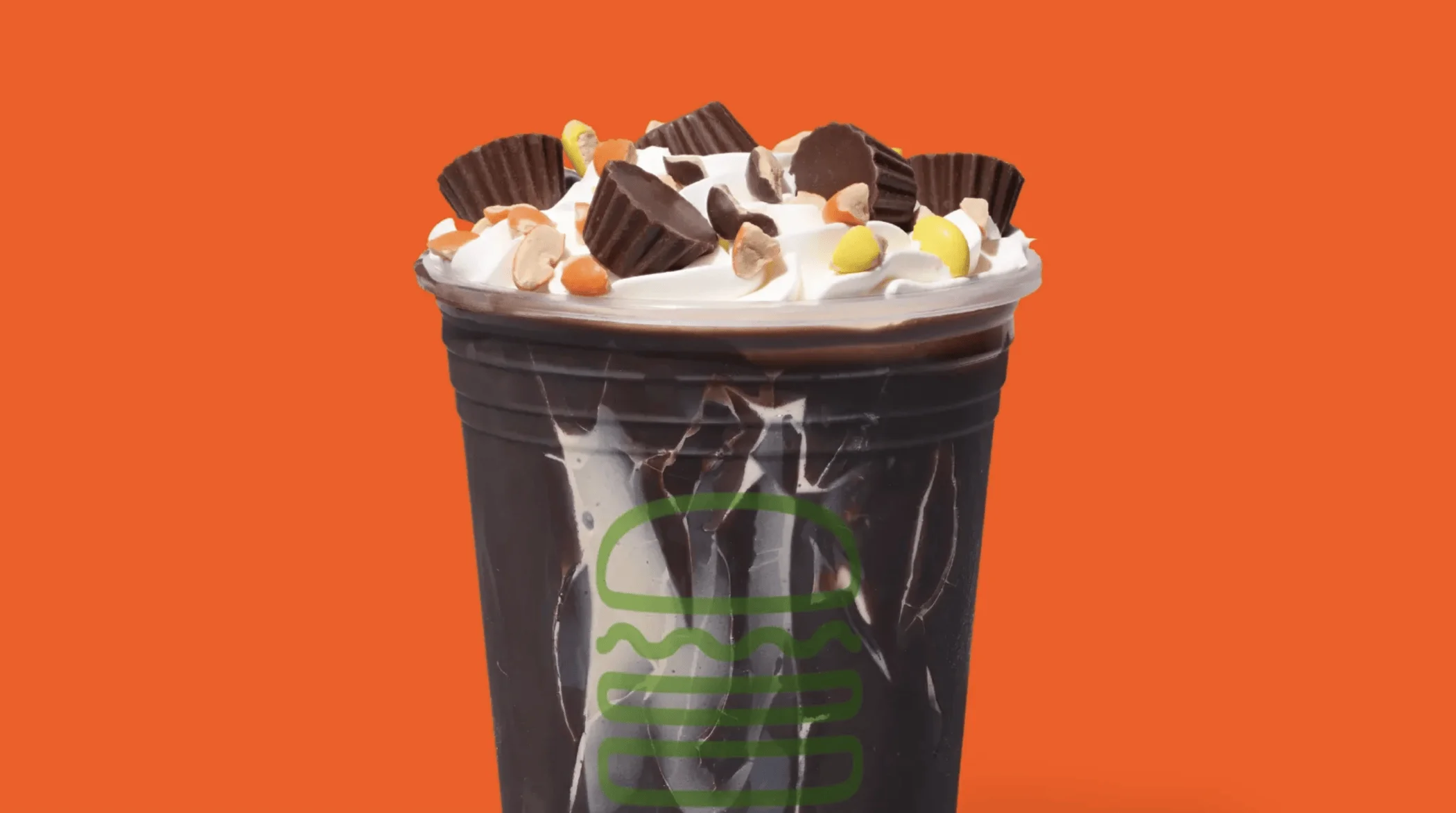
Shake Shack's latest limited-time offering, the Reese’s Peanut Butter Cup Shake, is rolling out across the nation, but it comes with a notable surprise: its calorie content. At 1,900 calories, this shake is drawing intense social media reactions, quickly becoming a topic of conversation among indulgent dessert lovers.
The shake fuses vanilla custard with creamy Reese’s peanut butter and fudge, encased in a dark chocolate shell, and topped with whipped cream along with both Mini Reese’s Peanut Butter Cups and chunks of Reese’s Pieces. For those with a sweet tooth, it sounds absolutely irresistible.
The Nutritional Surprise
This is where things get interesting. As a dedicated fan of both Reese’s and Shake Shack, I was excited to try this new concoction, but the calorie count gave me pause. To put it in perspective, Shake Shack’s Vanilla Shake has 680 calories, the Chocolate Shake has 750, and even the Loaded Chocolate Cookies & Cream Shake offers a comparatively modest 1,160 calories. In stark contrast, the Reese’s shake dwarfs them all, which made me and many others do a double take when we saw the nutritional info. An item carrying nearly twice the calories of the average burger at many fast-food chains is sure to raise eyebrows among health-conscious consumers.
Let’s think about the implications of such a high-calorie item. The calorie explosion in this shake might not come as a shock for fans of decadent desserts, but for casual consumers, it underscores a growing concern about the nutritional transparency many restaurants are striving for. If you’re working in this space, it’s worth considering how this shift could influence menu design in fast-casual dining. Offering eye-popping treats like this might attract customers, but it may alienate those who prioritize mindful eating.
Public Reactions
The online buzz reflects a mix of astonishment and enthusiasm. One user jokingly suggested, “Only way I'm trying this is if I share it with 5 other people. 1900 calories is WILD!” Meanwhile, another noted, “There should be a warning label.” It’s almost amusing to see how easily social media users fluctuate between excitement and trepidation. Some fans, however, are undeterred by that shockingly high number. Comments ranged from “OMFGGG!!! IMMEDIATELY NEED!!” to “This needs to remain on the menu permanently,” showing that many are willing to overlook calorie counts when a dessert sounds as fun as a Halloween-themed shake. (And this is the part most people overlook—the seasonal novelty adds significant allure.)
Amidst the excitement, some diners take a more cautious stance. There’s plenty of debate about whether such a high-calorie treat should have a more pronounced warning or even a discussion on whether the market should offer options to mitigate guilt surrounding indulgence. It might be easy to dismiss these concerns, but they point to a broader cultural conversation about health and indulgence that’s only gaining traction.
Will You Indulge?
If you’re considering trying the Reese’s Shake, the temptation is definitely strong. Cracking through the chocolate exterior to reach a filling of peanut butter and fudge custard sounds like a delightful Halloween treat. To be fair, the experience of this dessert, with its varied textures and flavors, is likely to be memorable. However, while I’m unlikely to swap my usual order for this hefty shake anytime soon, the prospect of this dessert remains hard to resist.
This points to a larger trend where brands roll out extravagant limited-time offers to boost foot traffic and create buzz. Ultimately, it’s all about finding balance; casual indulgences may encourage some to indulge, but moderation is still essential. Maybe this Halloween is just the right moment to treat yourself—but it shouldn't become the norm.
Implications for Fast-Casual Dining
The introduction of the Reese’s Peanut Butter Cup Shake doesn't just reflect a fleeting dessert trend; it underscores a shift in how restaurants approach indulgence. As menu items like this become more common, we should consider the ethical responsibility of food brands towards their customers. Excessively caloric treats tempt consumers, yes, but they also provoke discussions about health and diet.
The conversation around nutrition is evolving rapidly. Diners are becoming increasingly aware of what goes into their food, and while many may still indulge in high-calorie items, they’re more likely to weigh their choices carefully. This could lead to the rise of transparency and nutritionally balanced options being highlighted more on menus. In a society that increasingly embraces health-conscious eating, brands must adapt or risk losing out on wide demographics of consumers who are cautious about calorie counts.
For those in the industry, the recipe for success might blend innovation with responsibility. Imagine offering a delicious treat but also incorporating a smaller portion option or healthier alternatives. Consumers are seeking variety and choice, and brands that can cater to both indulgence and health trends might see sustained popularity. This shake is entertaining and bold, but its reception may set the stage for future menu offerings that are more mindful of what they represent.

Discussion
Sign in to join the discussion.