Mountain Dew has evolved from a whiskey mixer in the 1940s to a beloved soda brand, showcasing innovative flavors and deep cultural resonance.
## Mountain Dew: A Flavorful Journey Through Time
Mountain Dew's history is a fascinating blend of evolution and cultural impact that stretches back to the 1940s. Originally crafted by two brothers seeking the ideal mixer for whiskey, this citrus soda laid dormant for nearly two decades before carving out its niche in the beverage market. By 1948, the drink officially gained trademark status, and in a pivotal move, PepsiCo acquired the brand in 1964.
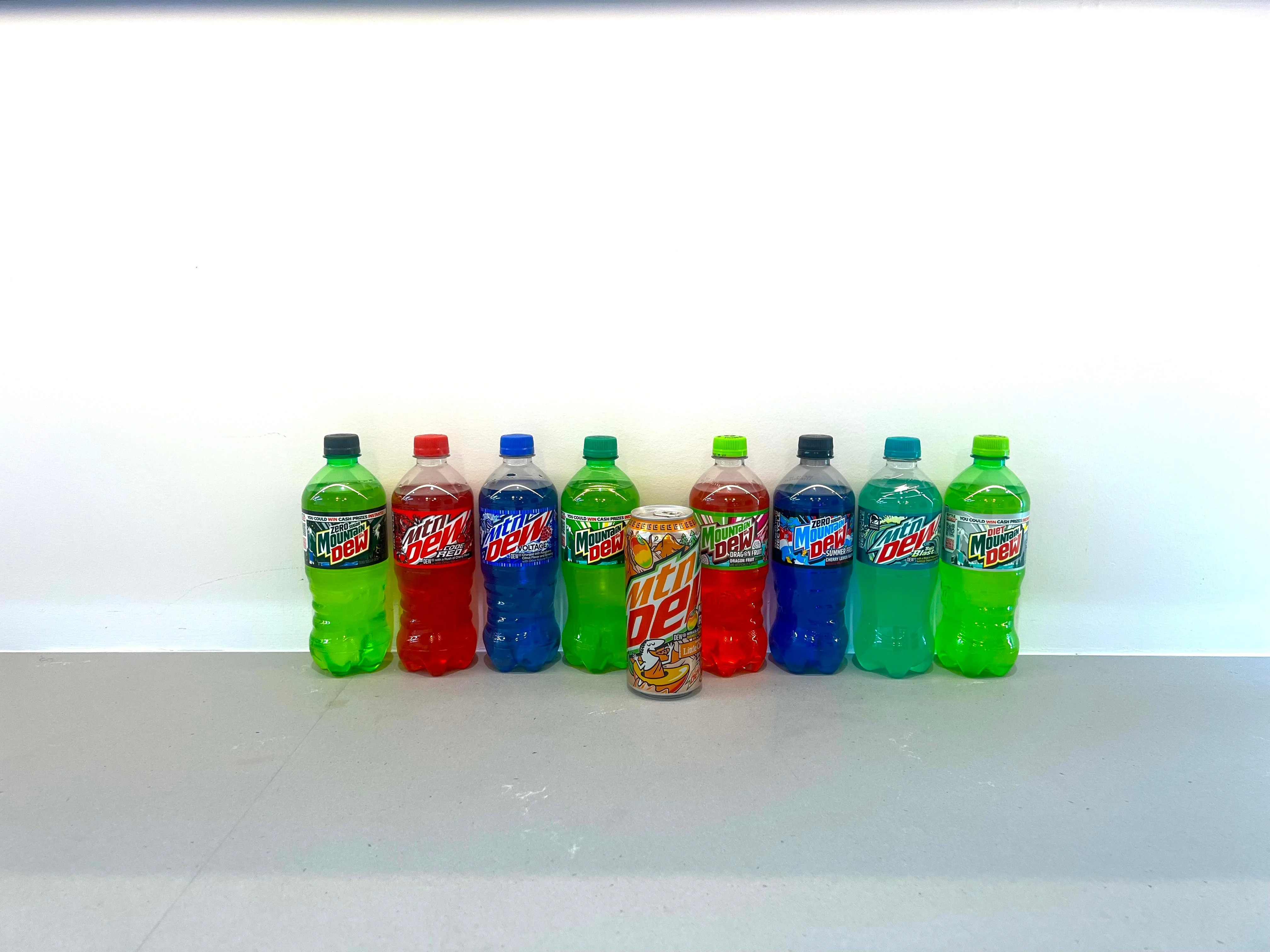
Fast forward to today, and Mountain Dew has transformed into a vibrant culinary experience, boasting an array of bold flavors and color choices. While the classic chartreuse hue is still a favorite, newer variations now entice fans with shades of red, orange, and blue. This diversity isn't just for aesthetics; it’s reflective of a strategic marketing push aimed at attracting a broader demographic, especially Gen Z, for whom flavor variety is a key priority.
What’s intriguing here is the recent trend of limited-edition and restaurant-exclusive flavors, which seems to be a double-edged sword. While these releases generate buzz and excitement, their fleeting availability can lead to dissatisfaction among loyal customers. For example, while flavors like Baja Blast have found foundational popularity, others like the short-lived Mountain Dew Dragon Fruit highlight how not every introduction hits the mark. According to a recent ranking by *Delish*, Dragon Fruit ended up at the bottom of the flavor hierarchy, with other varieties like the tropical Baja Blast dominating consumer preferences.
Reflecting on the findings from the *Delish* editors, it’s clear that taste perception is deeply subjective. Feedback varies widely, from sentiments of nostalgia to outright distaste, indicating that loyalty to a particular flavor can sometimes overshadow objective analysis. This is worth considering if you’re engaged in the beverage space: flavor development isn't merely about what's new, but also about fostering an emotional connection with your audience.
Additionally, Mountain Dew isn't just a drink; it's a cultural icon. The catchphrase "Do the Dew" became a generational anthem, especially during the 1990s, embedding itself into pop culture in a way few other brands have managed. That kind of brand loyalty and recognition raises the stakes for serious competitors in the soft drink industry.
To sum up, Mountain Dew’s trajectory from 1940s mixer to modern soda powerhouse illustrates how effective branding and flavor innovation can lead to long-lasting consumer engagement. As this brand continues to introduce eclectic flavors, the conversation about its impact on both the market and consumer preferences remains ever relevant.
### Key Moments in Mountain Dew’s History
- **1940s**: Developed as a whiskey mixer; trademarked by 1948.
- **1964**: Purchased by PepsiCo, marking significant growth potential.
- **Late 2000s-Present**: Expansion into diverse flavors and limited runs.
In this highly competitive beverage landscape, how Mountain Dew evolves will likely be pivotal. The blend of nostalgia and innovation creates a complex relationship with consumers that warrants continued examination.



Discussion
Sign in to join the discussion.