Tesla Alternatives · EVCar Data Desk
BMW M5 vs Tesla Model Y: Range, Efficiency, and Recalls Compared
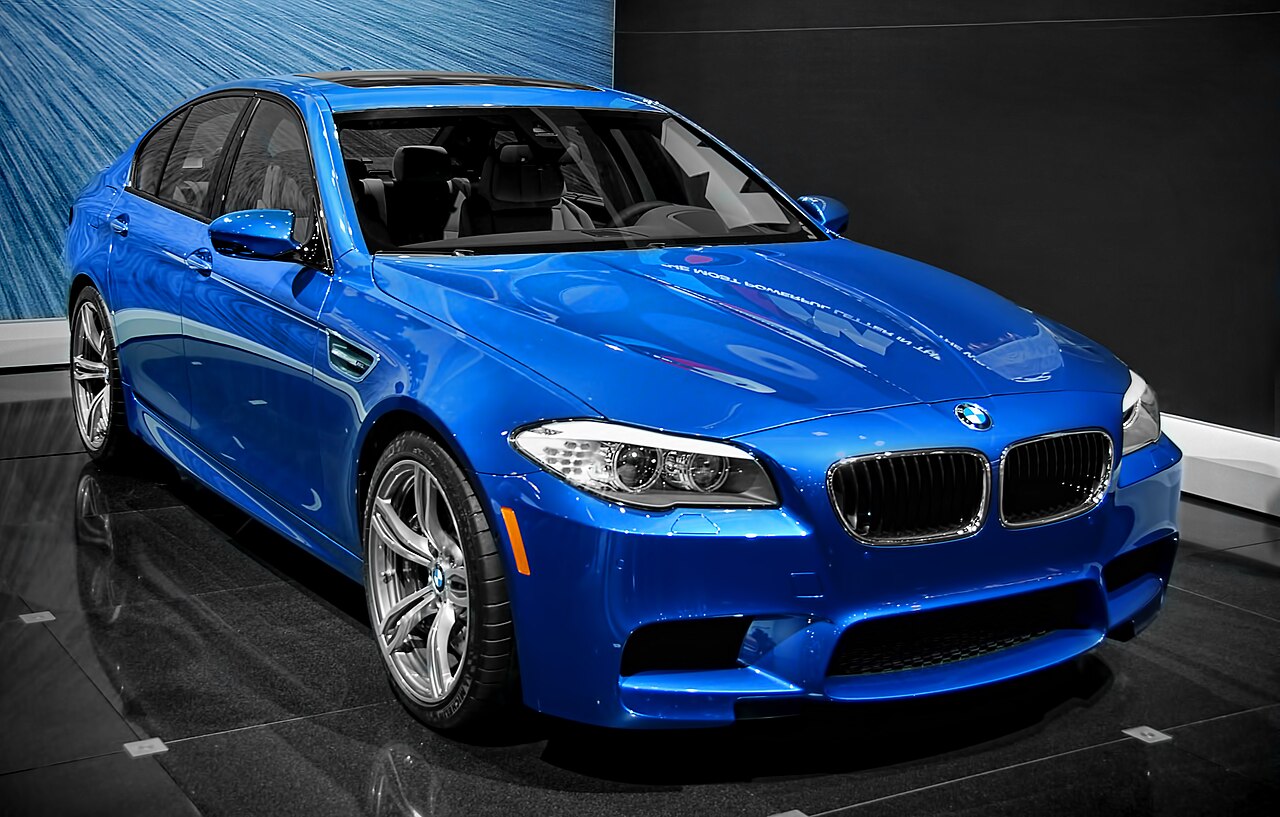
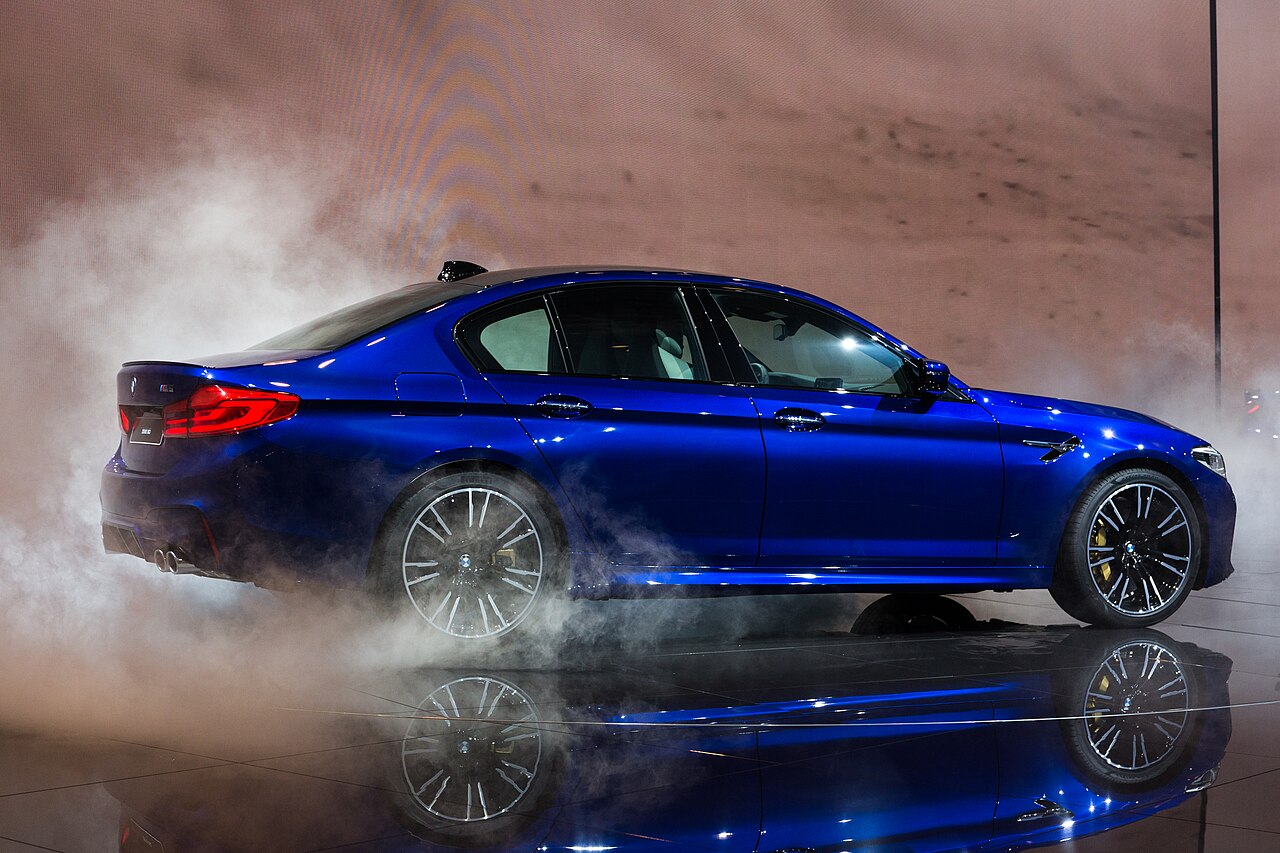
The 2027 BMW M5 and 2026 Tesla Model Y Standard RWD represent two very different approaches to electric and electrified driving. While the Tesla Model Y is a fully electric compact SUV emphasizing efficiency and range, the BMW M5 is a midsize sedan with more focus on traditional performance credentials but equipped as a plug-in hybrid (PHEV) with notably lower MPGe. Comparing EPA-rated range, efficiency, and safety recalls illustrates the main tradeoffs buyers face.
Key Findings
- The Tesla Model Y offers an EPA-estimated range of 303 miles, exceeding the BMW M5's 280 miles.
- Efficiency differs dramatically: the Model Y achieves 131 MPGe, while the M5 manages only 14 MPGe.
- Both vehicles report no current NHTSA recalls according to recent data.
- The Model Y charges fully on 240V Level 2 in about 10 hours, whereas the BMW M5 charges faster at 2 hours due to likely its smaller battery.
Comparing EPA Ranges: Tesla Model Y Slightly Ahead
The 2026 Tesla Model Y Standard RWD from the EPA data offers a range of 303 miles. The 280-mile EPA range of the 2027 BMW M5 sedan is competitive but somewhat lower. Since the Tesla is fully electric, this range provides for extended trips without fuel. The BMW, being a plug-in hybrid sedan, likely includes a gasoline engine that supplements electric driving, but EPA range here represents the electric-only segment.
For buyers prioritizing maximum electric distance on a single charge, the Model Y leads. However, the BMW M5's fuel backup extends real-world total range beyond EPA electric range.
Efficiency Gap Reflects Different Powertrains
Efficiency ratings highlight the fundamental technology differences. The Tesla Model Y achieves a combined rating of 131 MPGe, reflecting the full-electric powertrain's advantage. In contrast, the M5’s combined 14 MPGe is considerably lower, typical of performance-oriented hybrids with larger engines.
City and highway MPGe also illustrate this gap. The Tesla's 142 MPGe city and 120 MPGe highway ratings far exceed the BMW M5’s 12 MPGe city and 19 MPGe highway values. Buyers seeking cost-effective and environmentally friendly transportation will find the Model Y far superior in energy consumption.
Charging Times Reflect Battery Size and Design
Charging speed depends on battery capacity and charger capability. The Tesla Model Y requires approximately 10 hours for a full 240V Level 2 charge, consistent with its larger battery pack for longer range.
The BMW M5’s faster 2-hour 240V charge time indicates a smaller battery, which fits the plug-in hybrid model with an internal combustion engine assisting for longer driving range. Quick charging may suit drivers who regularly plug in but also rely on gasoline for longer trips.
Safety Recall Status
Both the 2026 Tesla Model Y Standard RWD and 2027 BMW M5 sedan report zero recalls according to NHTSA data retrieved in 2026. Buyers can have confidence in the current safety and regulatory compliance of these models, reducing concern over immediate recall-related repairs.
Which Buyer Fits Each Model?
The Tesla Model Y Standard RWD suits drivers prioritizing all-electric range, energy efficiency, and advanced electric drivetrain technology in a small SUV format. It works well for daily commuters and families seeking zero-emission transport with respectable range.
The BMW M5 offers a high-performance midsize sedan experience with a plug-in hybrid system. Buyers looking for BMW’s traditional driving dynamics, quick charge capability, and the flexibility of gasoline backup will appreciate the M5, despite its lower electric efficiency and range.
| Specification | 2026 Tesla Model Y Standard RWD | 2027 BMW M5 Sedan |
|---|---|---|
| EPA Estimated Range | 303 miles | 280 miles |
| Combined MPGe | 131 MPGe | 14 MPGe |
| City MPGe | 142 MPGe | 12 MPGe |
| Highway MPGe | 120 MPGe | 19 MPGe |
| EPA 240V Charge Time (Level 2) | 10 hours | 2 hours |
| NHTSA Recalls | 0 recalls | 0 recalls |
Frequently Asked Questions
Which vehicle offers better electric-only range?
The Tesla Model Y provides a higher EPA estimated electric range with 303 miles compared to the BMW M5’s 280 miles.
How do the vehicles compare on energy efficiency?
The Tesla Model Y is far more energy efficient, rated at 131 MPGe combined, while the BMW M5's combined efficiency is 14 MPGe, reflecting its performance-oriented hybrid drivetrain.
Are there any outstanding recalls on these models?
According to recent NHTSA data, neither model has any current recalls.
What are the charging times for these vehicles?
The Tesla Model Y requires about 10 hours to fully charge on a 240V Level 2 charger, while the BMW M5 charges much faster, in about 2 hours, likely due to its smaller battery.
Who should consider the BMW M5 over the Tesla Model Y?
The BMW M5 is suited for buyers who want a midsize sedan with sporty performance and are willing to accept lower electric efficiency in exchange for a plug-in hybrid's flexibility and quicker charging time.
Conclusion
The 2026 Tesla Model Y Standard RWD stands out for electric range, efficiency, and a zero-recall safety record, embodying the strengths of a fully electric SUV. The 2027 BMW M5, while delivering less electric range and far reduced MPGe efficiency, offers a performance-focused plug-in hybrid sedan experience with faster Level 2 charging and gasoline engine backup.
Buyers prioritizing electric driving range and efficiency will prefer the Model Y. Those valuing performance, driving dynamics, and flexible fueling will consider the BMW M5 a viable alternative, despite its compromises on electric efficiency.
Data Sources
- EPA Fuel Economy Data, 2026-08-19: EPA Vehicles Database
- NHTSA Vehicle Recall Data, 2026-08-19: NHTSA API